

Sleek Walker
Add a review FollowOverview
-
Founded Date April 18, 1906
-
Sectors Nurse Services
-
Posted Jobs 0
-
Viewed 10
Company Description
Easy-To-Use Walker Tools To Ease Your Everyday Lifethe Only Easy-To-Use Walker Trick Every Person Should Know
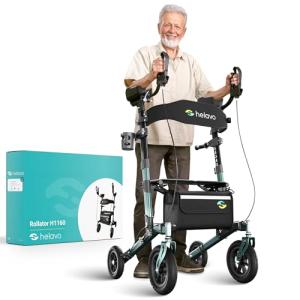
The Ultimate Guide to Easy-To-Use Walkers: Empowering Mobility for All
Mobility is an essential element of day-to-day living, and for numerous people, particularly the elderly and those with mobility difficulties, walkers can substantially improve self-reliance and security. An easy-to-use walker can be the distinction between depending on assistance and regaining autonomy. This blog post aims to check out different types of walkers, their features, and how people can select the best walker according to their requirements.
Understanding Walkers: Types and Features
Walkers come in several styles customized to specific needs, levels of mobility, and individual choices. The following table summarizes the most typical kinds of walkers, their features, and prospective advantages.
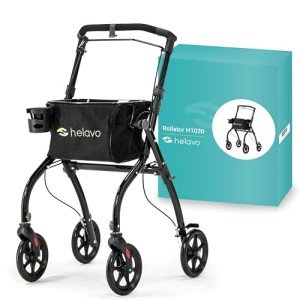
| Walker Type | Description | Benefits |
|---|---|---|
| Requirement Walker | A lightweight, basic frame with four legs. | Offers stability and support; easy to maneuver. |
| Two-Wheeled Top Performance Walker | Features 2 wheels at the front for easy mobility. | Supplies support while permitting smoother movement. |
| Four-Wheeled Walker | Also known as a Advanced Rollator Technology, it has four wheels. | Permits greater mobility and consists of a seat for resting. |
| Knee Walker | Developed for individuals with foot or ankle injuries. | Allows users to rest weight on the knee while sliding with the other leg. |
| Chair Walker | Combines a walker with a seat and storage. | Supplies convenience for longer ranges; excellent for resting. |
| Foldable Walker | Can be folded for easy transport and storage. | Portability makes it perfect for travel. |
Elements to Consider When Choosing a Walker
Choosing the right walker is vital for ensuring security and comfort. Below are crucial factors to think about:
-
Mobility Level: Assess the user’s existing mobility and balance. Those who need maximum stability might gain from a standard walker, while more mobile users might prefer a rollator.
-
Weight Capacity: Walkers are created with specific weight limits. Constantly check the producer’s standards to make sure safety.
-
Height Adjustment: A correctly fitted walker is important for comfort. Look for adjustable height choices to ensure it fits the user’s stature.
-
Surface Type: Consider where the walker will mainly be used. Some walkers are much better fit for outdoor use, while others may operate best on carpets or inside your home.
-
Storage Needs: If the user typically carries personal items, walkers Walking Aid With Seat baskets or trays might be helpful.
Additional Features to Look For
Walkers have developed to include different features aimed at enhancing user experience. Some notable features consist of:
-
Hand Grips: Ergonomically designed hand grips add to comfort and manage.
-
Brakes: For rollators, check for reliable brakes which supply added security when decreasing or stopping.
-
Weight: Lightweight products enhance maneuverability and ease of transport.
-
Seat and Backrest: For users who may require to rest, options with seats and back-rests supply much-needed support.
-
Devices: Consider additional products like trays, baskets, or lights that can improve walker functionality.
The Benefits of Using a Walker
Choosing an easy-to-use walker can bring many benefits for users and caregivers alike:
-
Increased Independence: Walkers lower reliance on others, empowering users in their day-to-day regimens.
-
Improved Safety: They supply essential support and balance, lowering the danger of falls and associated injuries.
-
Enhanced Mobility: Walkers permit people to keep mobility even with restricted physical abilities.
-
Activity Encouragement: Using a walker can encourage users to engage in regular movement, promoting general health.
-
Social Interaction: Increased mobility motivates users to take part in social activities, enhancing psychological wellness.
Frequently asked questions about Walkers
1. How do I know which walker is right for me?
Choosing the right walker includes assessing your mobility requires, weight capacity, and personal choices. Consulting with a health care expert can also provide important insights.
2. Are walkers covered by insurance?
Numerous insurance strategies, consisting of Medicare, will cover walkers if they are deemed medically needed. It’s best to contact your prepare for specific protection details.
3. How can I preserve my walker?
Routine maintenance consists of checking wheels and brakes for damage, cleaning the frame, and examining rubber suggestions for wear.
4. Can I utilize a walker outdoors?
Yes, there are specific walkers developed for outdoor usage, such as four-wheeled rollators, which offer greater stability on numerous surface areas.
5. What is the normal weight limit for walkers?
Weight limitations can differ widely depending on the model and manufacturer. Many standard walkers support approximately 300 pounds, but it’s important to inspect private requirements.
Conclusion: Choosing the Right Walker for Enhanced Mobility
An easy-to-use walker is more than simply a tool; it represents self-reliance and dignity for numerous users. Whether it’s a lightweight standard walker, a feature-rich Top-Rated Rollator, or a specialized knee walker, the alternatives are huge and varied. By comprehending the different kinds of walkers available, considering essential features, and acknowledging the significant benefits they offer, people can make educated choices that align with their requirements.
Keep in mind, while this guide serves as a foundational resource, it is always a good idea to talk to a health care specialist for tailored recommendations. By selecting the ideal walker, people can actively take part in life, preserve their mobility, and pursue their enthusiasms without limit.