

Rollator With Wheels
Add a review FollowOverview
-
Founded Date March 16, 1989
-
Sectors Biotech & Pharmaceuticals
-
Posted Jobs 0
-
Viewed 11
Company Description
You’ll Never Guess This Rollator For Disabled’s Tricks
Rollators for the Disabled: A Comprehensive Guide
Browsing the world is an essential part of life, yet for individuals with mobility issues, it can present significant obstacles. Rollators, a kind of wheeled walker, have actually emerged as a vital mobility aid, approving independence and improving the lifestyle for numerous who deal with physical difficulties. This post will dive deep into the numerous elements of rollators– their benefits, functions, types, and factors to think about when picking one.
Understanding Rollators
A rollator is a mobility device that consists of a walker frame on wheels, normally equipped with hand brakes and a built-in seat. Unlike standard walkers that require users to raise the gadget to move on, rollators permit individuals to stroll while pushing the frame, offering both assistance and benefit. The use of rollators has actually gained popularity among people with specials needs, those recovering from surgery, and the elderly.
Secret Features of Rollators
| Feature | Description |
|---|---|
| Wheels | Rollators usually have 4 wheels for stability and ease of motion. |
| Brakes | Hand brakes enable the user to decrease or stop safely. |
| Seat | A built-in seat supplies a convenient resting location during getaways. |
| Lightweight Frame | Many rollators are made from lightweight products, making them easier to carry. |
| Adjustable Height | The handlebars can typically be adapted to accommodate different user heights. |
Benefits of Using a Rollator
Rollators provide a variety of advantages that boost mobility and independence among people with disabilities:
- Increased Mobility: Rollators assist users walk around more freely, enabling them to engage with their surroundings.
- Assistance and Stability: They provide excellent assistance for standing and walking, minimizing the threat of falls.
- Convenience: Many rollators featured storage bags, making it possible for users to carry individual products quickly.
- Resting Option: The built-in seats use a possibility to rest throughout longer getaways, which is especially helpful for those with minimal endurance.
- Urged Activity: Rollators motivate movement and activity, which can contribute positively to overall health and well-being.
Kinds of Rollators
There are a number of types of rollators available in the market, accommodating different requirements and choices:
- Standard Rollators: These generally have a lightweight frame and appropriate for indoor and outdoor use.
- Heavy-Duty Rollators: Designed for bigger people, sturdy rollators provide increased weight capability and stability.
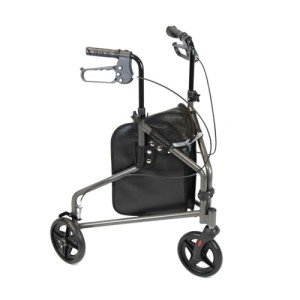
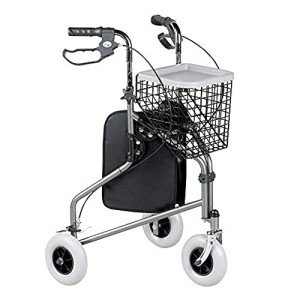
- Three-Wheel Rollators: These models are more compact and simpler to maneuver in tight spaces, making them appropriate for indoor use.
- Foldable Rollators: Ideal for travel, these rollators can be quickly folded for transportation or storage.
- Rollators with Seats: Suitable for people who may require frequent rests, these models have integrated seats and in some cases come with back-rests.
Aspects to Consider When Choosing a Rollator
Choosing the right rollator needs mindful consideration of numerous aspects:
- Weight Capacity: Ensure the rollator can support the user’s weight.
- Height Adjustability: Look for adjustable handlebars to accommodate the user’s height for optimal comfort and energy.
- Wheel Size: Larger wheels are much better for uneven surface, while smaller sized wheels may be more suitable for indoor use.
- Devices: Consider whether the rollator comes with extra features such as baskets, cup holders, or trays.
- Ease of Transport: If the individual will be taking a trip often, a lightweight or foldable design may be essential.
Often Asked Questions (FAQs)
1. How do I understand if a rollator is ideal for me?Consulting with a healthcare expert can offer guidance based on specific requirements and mobility constraints. 2. What is the typical cost of a rollator?Rollator prices
differ commonly, ranging from ₤ 100 to over ₤ 400,
depending on the brand and functions. 3. Are rollators covered by insurance?Many insurance policies, including Medicare, might cover
rollators as part of durable medical devices. It’s recommended to inspect with the insurance provider ahead of purchase. 4. Can I use a Rollator For Disabled outdoors?Yes, lots of rollators are created for outdoor use, however it’s necessary to choose one with suitable wheel sizes
and surface handling capabilities. 5.
How do I maintain my rollator?Regular monitoring of wheels, brakes, and frames for dirt or damage is vital. Clean down surfaces with mild cleaners and lube moving parts when essential. Rollators work as vital tools for individuals with specials needs, boosting mobility and encouraging self-reliance. By understanding the different types, features, and considerations associated with choosing
a rollator, users can make informed choices customized to their requirements. Whether checking out the outdoors or running errands, a well-chosen rollator can significantly improve one’s lifestyle, changing everyday activities into pleasurable experiences. For individuals looking for to restore their freedom and gain confidence in their mobility, the ideal rollator can be a life-altering possession.