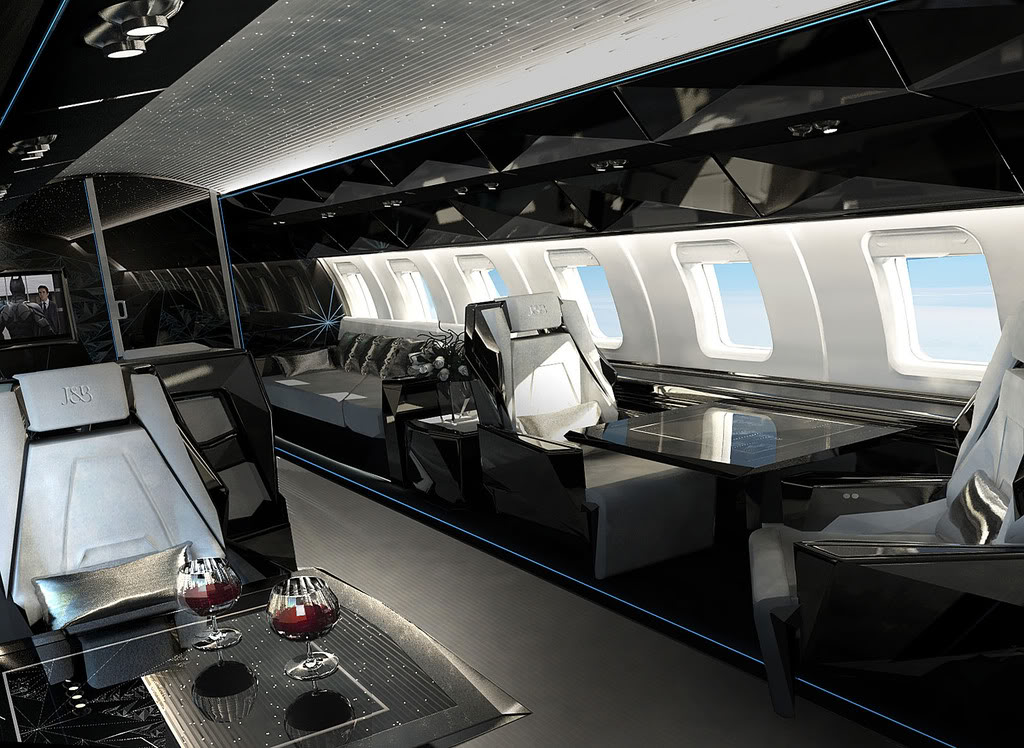

best private jets charter company
Add a review FollowOverview
-
Founded Date May 11, 2020
-
Sectors Hotel & Motel
-
Posted Jobs 0
-
Viewed 13
Company Description
The World of Private Jets: An Outline Of Luxurious Aviation
The private jet industry has seen a exceptional transformation over the last few many years, evolving from a niche market catering to the ultra-wealthy to a mainstream mode of transportation for business executives, celebrities, and affluent individuals. This report delves into the various aspects of private jets, including their types, benefits, operational costs, and the future of private aviation.

Forms of Private Jets
Private jets come in a wide range of sizes and configurations, each designed to satisfy particular needs. The primary categories include:
- Light Jets: These jets are ultimate for brief flights and sometimes accommodate 4 to 8 passengers. They are cost-effective and have decrease operational costs, making them suitable for small business groups or people traveling for leisure. Examples embody the Cessna Citation Mustang and the Embraer Phenom 100.
- Midsize Jets: Providing more space and range, midsize jets can carry 6 to 9 passengers and are suitable for medium-haul flights. They come with extra amenities and can reach destinations that light jets can not. Notable fashions embody the Hawker 800XP and the Learjet 60.
- Heavy Jets: These jets offer luxurious interiors and might accommodate eight to 16 passengers over long distances. They are outfitted with superior technology and amenities, making them perfect for international travel. Well-liked heavy jets include the Gulfstream G550 and the Bombardier Global 6000.
- Ultra-Lengthy-Vary Jets: Designed for essentially the most demanding travelers, these jets can fly non-cease for over 6,000 nautical miles. They provide unparalleled consolation and luxury, with features equivalent to private bedrooms and showers. The Gulfstream G650 and the Bombardier Global 7500 are prime examples.
- VIP Airliners: These are transformed business airliners designed for private use. They provide the last word in luxury and space, accommodating bigger teams. Examples include the Boeing Business Jet (BBJ) and the Airbus Corporate Jet (ACJ).
Advantages of Private Jets
The allure of private jets lies in their quite a few advantages:
- Time Efficiency: Private jets can considerably reduce travel time by permitting passengers to bypass lengthy safety lines and verify-in procedures. They can access smaller airports closer to the final vacation spot, avoiding the congestion of major business airports.
- Flexibility: Passengers have the freedom to choose their departure times and can change itineraries with minimal notice. This flexibility is especially advantageous for business travelers who must adapt to changing schedules.
- Privateness and Consolation: Private jets present a stage of privacy that industrial flights cannot provide. Passengers can conduct business meetings, relax, or get pleasure from time with household and mates in a comfortable atmosphere tailor-made to their preferences.
- Enhanced Productiveness: With fewer distractions and the flexibility to work in a private setting, many business travelers discover that they can be extra productive on a private jet than in a traditional workplace or throughout commercial travel.
- Luxury Amenities: Many private jets are outfitted with high-finish features resembling gourmet catering, superior entertainment methods, and personalized service. Some even offer sleeping quarters and shower facilities, offering a stage of consolation that is hard to match.
Operational Prices
Despite the quite a few benefits, the operational costs of owning and working a private jet will be substantial. Key expenses include:
- Acquisition Value: The acquisition price of a private jet can range from just a few hundred thousand dollars for a gentle jet to tens of thousands and thousands for a big, ultra-long-vary jet.
- Maintenance and Inspections: Common upkeep is essential for security and efficiency. Costs can range based mostly on the age and kind of the aircraft however can quantity to hundreds of thousands of dollars yearly.
- Fuel Prices: Fuel is without doubt one of the most significant ongoing expenses. Costs can fluctuate based on market circumstances, and larger jets devour more fuel, growing operational costs.
- Crew Salaries: Using pilots and cabin crew provides to the overall value of ownership. If you have any inquiries relating to wherever and how to use On Demand Private Jet Charter, you can speak to us at our site. Depending on the size of the jet and the variety of crew members required, these expenses may be substantial.
- Hangar Charges: Storing a jet at an airport can incur monthly fees, which differ based on location and airport companies.
- Insurance: Insuring a private jet is another important price, with premiums influenced by the aircraft’s worth, usage, and security report.
Alternatives to Ownership
For a lot of individuals and companies, outright ownership of a private jet might not be feasible or essential. Several alternatives exist:
- Charter Companies: Chartering a private jet allows customers to e-book flights as needed with out the lengthy-term dedication of ownership. This option is right for occasional travelers or those who require flexibility.
- Jet Cards: Jet card packages supply pay as you go flight hours on a variety of aircraft. This feature gives a balance between ownership and chartering, permitting customers to take pleasure in the advantages of private journey without the complexities of possession.
- Fractional Possession: This model allows multiple house owners to share the costs and utilization of a single aircraft. Fractional possession corporations, such as NetJets and Flexjet, provide a option to get pleasure from the benefits of private aviation while minimizing prices.
The future of Private Aviation
The private jet industry is poised for continued development, pushed by technological developments and changing client preferences. Some key traits embody:
- Sustainability: As environmental considerations develop, the aviation business is exploring sustainable aviation fuels (SAFs) and electric aircraft. Private jet manufacturers are investing in greener technologies to scale back their carbon footprint.
- Digital Transformation: Using know-how in booking, managing, and working private jets is rising. Apps and platforms that streamline the booking process and provide real-time flight information are becoming normal.
- Increased Accessibility: The rise of on-demand charter providers and jet-sharing applications is making private aviation more accessible to a broader audience, moving past the extremely-wealthy to incorporate business travelers and leisure seekers.
- Health and Security: The COVID-19 pandemic has heightened consciousness of health and security in air travel. Private jets provide a managed environment, and lots of operators have implemented enhanced cleaning protocols to ensure passenger security.
In conclusion, private jets symbolize a singular intersection of luxury, comfort, and effectivity in air journey. Whereas their operational costs could be high, the benefits they offer make them a beautiful possibility for many. Because the trade continues to evolve, it is likely that private aviation will develop into even more accessible and sustainable, catering to the needs of a diverse clientele.