

French Door Carpenters
Add a review FollowOverview
-
Founded Date February 7, 2003
-
Sectors Bar
-
Posted Jobs 0
-
Viewed 10
Company Description
How To Save Money On French Door Installation
A Comprehensive Guide to French Door Installation
French doors are a popular architectural function that adds elegance, design, and functionality to any home. These doors not just create a smooth transition in between indoor and outdoor areas however also boost natural light, making a room feel more spacious. This article will direct property owners through the French door installation process, providing necessary tips, step-by-step guidelines, and responses to frequently asked questions.
What Are French Doors?
French doors normally include a set of doors that are hinged on either side and open external or inward, producing a wide entryway. They include big glass panels and are frequently used to connect an interior area to the patio or garden. Property owners value their aesthetic appeal and performance, as they can present fresh air and light into the home.
Tools and Materials Needed for Installation
Before beginning the installation of French doors, it is vital to gather the needed tools and materials. Here’s what you will require:
Tools:
- Measuring tape
- Level
- Hammer
- Screwdriver
- Drill
- Circular saw (if trimming is required)
- Pry bar
- Caulking weapon
- Shatterproof glass
- Stud finder
Materials:
- French door system (pre-hung)
- Shims
- Wood screws
- Exterior door hinges
- Weather removing
- Trim molding
- Paint or stain (if preferred)
Step-by-Step Installation Guide
The procedure of setting up French doors can be broken down into several crucial actions.
1. Preparation
- Select the Right Doors: Ensure that the French doors you have selected fit the opening.
- Get Rid Of Old Door: If changing an existing door, use a lever to remove it and get any trim.
- Clean the Door Frame: Ensure the frame is tidy and devoid of debris for a much better fit.
2. Procedure the Opening
- Inspect the Dimensions: Measure the height and width of the door opening to validate it lines up with the French door unit specifications.
- Inspect for Level: Use a level to make sure the opening is even. If it is not, adjustments might require to be made.
3. Install the Door Frame
- Position the Frame: Place the French door frame into the opening, ensuring it is level both horizontally and vertically.
- Insert Shims: Use shims to secure the frame. Place them at the hinge locations and along the latch side.
- Secure the Frame: Once the frame is level and plumb, attach it to the existing structure with wood screws through the frame into the wall studs.
4. Attach the Doors
- Install Hinges: Depending on the design, attach the hinges to the side of the frame and the doors.
- Hang Doors: Lift each door into location and protect it with screws.
- Evaluate the Operation: Open and close the doors to ensure they move smoothly without rubbing against the frame.
5. Add Weather Stripping
- Seal Gaps: Install weather condition removing around the door trim to prevent drafts and enhance energy effectiveness.
6. Finish the Installation
- Add Trim: Attach trim molding around the door frame for a sleek look.
- Paint or Stain: If preferred, paint or stain the doors and cut to match the existing design.
7. Check and Clean
- Final Check: Ensure all screws are tight and the door runs properly.
- Tidy up Debris: Remove any tools and particles from the work location.
Benefits of Installing French Doors
- Increased Natural Light: French doors are mainly made from glass, permitting plentiful natural light to enter your home.
- Improved Aesthetics: They add a touch of beauty and sophistication to any space.
- Improved Airflow: When opened, French doors produce a breezy and open atmosphere.
- Energy Efficiency: Modern French doors feature energy-efficient glass, decreasing heating and cooling costs.
- Increased Property Value: Installing stylish French doors can enhance a home’s resale value.
FAQs About French Door Installation
1. The length of time does it take to install French doors?
The installation procedure can take anywhere from a couple of hours to a full day, depending on the house owner’s experience and whether any customized adjustments are needed.
2. Do I require a license to install French doors?
In many areas, a license is not required for door replacements. However, it’s recommended to inspect local building codes before starting installation.
3. Can I install French doors by myself?
While DIY installation is possible, it might be useful to employ a friend for assistance, especially throughout lifting and placing the door.
4. What should I do if my door frame is not square?
If the door frame is not square, you might need to use extra shims or consider re-installing the frame to guarantee the doors run properly.
5. How do I preserve my French doors?
Routine cleansing of the glass and hinges, together with periodic checks of weather removing and seals, will help keep the performance and look of your French doors.
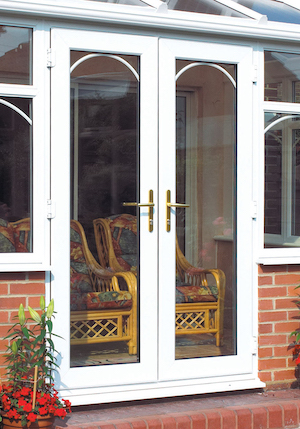
Installing French doors can substantially enhance the aesthetic appeal and functionality of a home. With correct preparation and attention to information, property owners can successfully install these classy doors and enjoy the advantages they bring. Whether seeking to enhance energy performance or simply bask in the beauty of natural light, French doors are a classic addition to any home.
By following the actions described in this guide and comprehending the advantages and maintenance, homeowners can embrace the elegance of French doors for many years to come.