

Expert Soffit Installation
Add a review FollowOverview
-
Founded Date June 25, 1927
-
Sectors Biotech & Pharmaceuticals
-
Posted Jobs 0
-
Viewed 14
Company Description
How To Tell If You’re Prepared For Eaves Replacement
The Complete Guide to Eaves Replacement
Eaves are a vital part of a structure’s roof. These overhanging edges serve multiple purposes, from directing rainwater far from the structure to boosting the aesthetic appeal of a structure. Nevertheless, like any other building component, eaves can break with time due to direct exposure to the components. This article will explore the significance of eaves, the indications that suggest a requirement for replacement, the procedure of eaves replacement, and regularly asked questions connected to this topic.
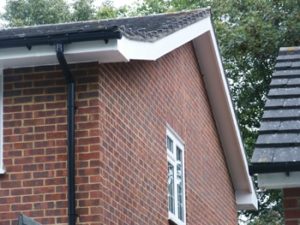
Understanding Eaves
Eaves are the part of a roofing that overhangs the walls of a building. They can be found in numerous architectural designs, and their design typically depends on the structure’s total visual. The primary functions of eaves are:
-
Water Management: Eaves assist in directing rainwater far from the walls and structure, hence preventing water damage and erosion.
-
Protection: They shield the structure from direct sunlight, which can help in decreasing cooling costs in warmer environments.
-
Visual Appeal: Eaves contribute substantially to the architectural style and appeal of a structure.
Kinds of Eaves
There are mostly 2 types of eaves: Open Eaves and Closed Eaves.
-
Open Eaves: These have actually exposed rafters or beams and supply a rustic look. They are easy to preserve however may need more attention to prevent water damage.
-
Closed Eaves: These are finished with a soffit and fascia, developing a cleaner appearance. They typically are much better at hiding important elements, such as ventilation systems.
| Function | Open Eaves | Closed Eaves |
|---|---|---|
| Aesthetic Appeal | Rustic | Tidy |
| Maintenance Ease | Much easier | More Complex |
| Protection Level | Moderate | High |
Indications That Your Eaves Need Replacement
It is important to examine eaves regularly to guarantee they remain in great condition. Some signs that show a requirement for eaves replacement include:
-
Visible Damage: Cracks, holes, or significant wear are clear signs that your eaves might require replacement.
-
Water Stains: If you observe water discolorations on interior walls or ceilings, it could recommend that water is not being properly directed away.
-
Drooping or Drooping: Eaves that sag or sag may be a sign of structural failure or heavy water accumulation.
-
Rotting Wood: Wood eaves are prone to rot. If the wood feels soft or reveals indications of decay, replacement is necessary.
-
Pest Infestation: Evidence of pests like ants or termites can be a sign of instability in the eaves and thus a requirement for replacement.
The Eaves Replacement Process
Replacing eaves can be a labor-intensive job, typically needing professional help. Below is a step-by-step procedure of how eaves are normally changed:
-
Assessment: Identify damage and identify the kind of eaves that require to be replaced.
-
Removal: Carefully get rid of the existing eaves. This might include cutting nails or screws and guaranteeing that contributing structures are not harmed.
-
Preparation: Inspect and Repair My Windows And Doors any damage to the underlying structures, such as fascia boards.
-
Installation: Install the new eaves. This involves attaching them securely to make sure avoid future issues.
-
Finishing Touches: After installation, painting or sealing the eaves might be necessary to secure versus the components.
-
Assessment: Carry out a last assessment to make sure that everything has actually been installed correctly which there are no leaks.
Maintenance Tips for Eaves
Once the new eaves are set up, it is important to keep them properly maintained. Here are some suggestions:

- Regularly tidy rain gutters to prevent clogs.
- Examine eaves after heavy storms for any damage.
- Paint or seal wood eaves every 3-5 years to prevent rot.
Frequently Asked Questions About Eaves Replacement
Q1: How long does it typically take to replace eaves?A: The period depends upon the size of the task and intricacy however can range from a few hours to a number of days.
Q2: Can I replace eaves myself?A: DIY replacement is possible for those with the right abilities and tools. However, working with professionals is suggested for safety and performance, specifically for complicated structures. Q3: What materials are typically used for eaves?A: Eaves can
be made of various materials, including wood, vinyl,
aluminum, and fiber cement. The option often depends upon the structure’s style and ecological conditions. Q4: How much does eaves replacement generally cost?A: Costs differ considerably based upon place, materials selected, and labor charges, generally varying
from ₤ 100 to ₤ 300 per direct foot for installation. Q5: Can I alter the design of my eaves?A: Yes, eaves can be changed with a different design during the replacement procedure, permitting homeowners to boost their building’s aesthetics. Eaves play a crucial role in protecting a building and enhancing its look. Routine evaluations and timely replacements are necessary to maintain both performance and visual appeals. While eaves replacement can be a challenging task, comprehending the process and understanding when to do something about it can make it more workable. Interested property owners should seek advice from specialists to make sure an effective replacement process tailored to their particular needs.