

Timber Fascias
Add a review FollowOverview
-
Founded Date August 8, 1944
-
Sectors Electricians
-
Posted Jobs 0
-
Viewed 13
Company Description
The 10 Most Terrifying Things About Fascia And Soffit Specialists
Understanding Soffit and Cladding: Importance, Types, and Installation
Soffit and cladding are two necessary parts of a structure’s exterior that often go unnoticed however play an important role in both visual appeals and functionality. While soffit describes the material that covers the underside of eaves or overhangs, cladding refers to the material used to the exterior of a structure to supply it with a protective layer and an aesthetically attractive surface. This detailed short article will look into the types, significance, advantages, installation, and frequently asked concerns relating to soffit and cladding.
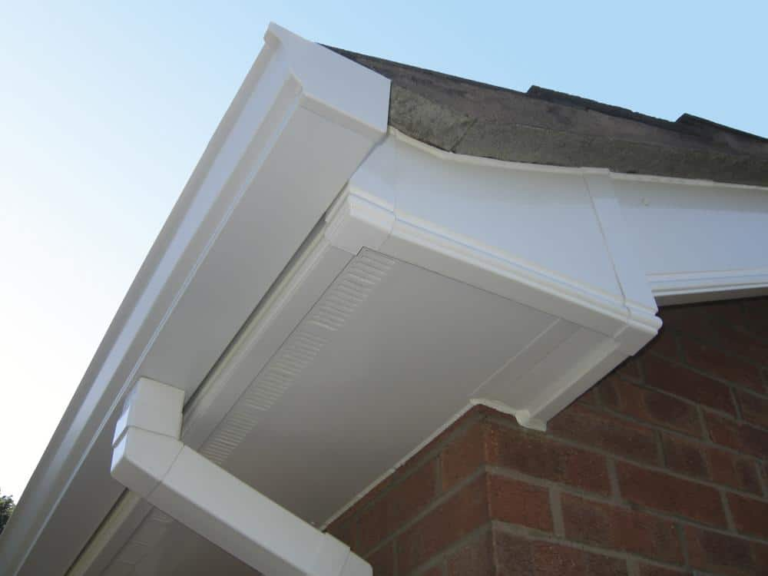
Importance of Soffit and Cladding
Both soffits and cladding serve substantial functions for construction and architectural style:
Soffit
- Ventilation: Adequate soffit ventilation permits airflow in the roof space, which helps control temperature level and humidity, decreasing the threat of mold and rot.
- Defense: Soffits safeguard the rafters and eaves from water damage and bug problem.
- Aesthetic Enhancement: Well-designed soffits boost the overall look of a building, offering a completed appearance to roofing overhangs.
Cladding
- Insulation: Cladding helps to insulate the structure, improving energy performance by keeping interior temperature levels.
- Weather condition Resistance: It safeguards the building from aspects such as rain, wind, and snow.
- Visual Appeal: With a variety of materials available, cladding allows architects to produce visually spectacular exteriors.
- Maintenance: High-quality cladding reduces the need for frequent maintenance and repairs.
Types of Soffit and Cladding
Soffit Types
Soffits can be available in various materials, consisting of:
- Vinyl: Known for its low maintenance and weather-resistant residential or commercial properties.
- Aluminum: Durable and resistant to deterioration but may damage easier.
- Wood: Offers aesthetic appeal however requires regular maintenance and treatment for weather condition resistance.
- Fiber Cement: Combines durability with the appearance of wood, resistant to rot and bugs.
Cladding Types
The selection of cladding products can considerably impact both aesthetics and performance. Common types include:
- Vinyl Cladding: Cost-effective, light-weight, fascia and Soffit specialists readily available in various styles and colors.
- Wood Cladding: Naturally stunning, but needs routine treatment and maintenance.
- Brick: Extremely long lasting and fire-resistant but more expensive and needs professional installation.
- Stone and Stone Veneer: Offers a traditional appearance and unequaled resilience, suitable for upscale homes.
- Fiber Cement: Mimics wood or masonry with a portion of the maintenance, resistant to weather and pests.
- Metal Cladding: Often used in modern-day designs, supplies an industrial appeal and substantially withstands weathering.
Comparison of Soffit and Cladding Materials
The following table describes the essential functions and qualities of numerous soffit and cladding materials:
| Material | Maintenance | Toughness | Visual Appeal | Cost | Insulation Property |
|---|---|---|---|---|---|
| Vinyl Soffit | Low | Medium | Great | Low | Low |
| Aluminum Soffit | Medium | High | Fair | Medium | Low |
| Wood Soffit | High | Low to Medium | Exceptional | Medium | Low |
| Fiber Cement | Low | High | Outstanding | Medium | Medium |
| Vinyl Cladding | Low | Medium | Excellent | Low | Medium |
| Wood Cladding | High | Medium | Exceptional | Medium | Medium |
| Brick Cladding | Low | High | Outstanding | High | High |
| Stone Veneer | Medium | High | Outstanding | High | High |
| Metal Cladding | Low | High | Fair to Excellent | Medium to High | Low |
Installation of Soffit and Cladding
The installation process of soffit and cladding varies depending upon product option and regional structure codes. Nevertheless, understanding the basic actions included can be valuable:
Steps for Installing Soffit
- Preparation: Gather all tools and materials required, consisting of panels, nails, and safety equipment.
- Measurement: Measure the area properly to cut soffit panels to the correct size.
- Ventilation: Ensure proper airflow by incorporating vents where essential.
- Installation: Attach the panels beginning from one side, guaranteeing they fit correctly into the recognized framework.
- Finishing Touches: Seal any spaces for insulation and aesthetics.
Actions for Installing Cladding
- Framework Setup: Create a robust structure using vertical battens if needed.
- Insulation: If insulating, set up insulation boards before cladding.
- Cutting Panels: Measure and cut cladding panels based upon style requirements.
- Accessory: Secure panels utilizing proper fasteners, making sure alignment and level.
- Sealing: Seal joints and edges for weather resistance.
Frequently Asked Questions (FAQs)
1. What is the typical life-span of cladding products?
The life-span varies extensively among materials:
- Vinyl: 20-40 years
- Wood: 10-30 years (with maintenance)
- Brick and Stone: 50+ years
- Fiber Cement: 25-40 years
2. Is soffit installation essential?
Yes, soffit installation is essential for proper ventilation and protecting the roofing structure from weather damage, pests, and rot.
3. Can soffit be set up without cladding?
Yes, soffit can be installed separately. However, it is typically installed in combination with cladding for improved aesthetic appeals and security.
4. What aspects should be considered when choosing cladding?
Crucial factors consist of:
- Desired aesthetic
- Climate factors to consider
- Budget plan restraints
- Maintenance requirements
- Energy performance
5. Can I set up soffit and cladding myself?
While DIY installation is possible for those with sufficient skills, working with specialists makes sure quality workmanship and compliance with building regulations.
Soffit and cladding are vital parts of a building’s outside that significantly effect looks, performance, and energy performance. Understanding their types, benefits, and installation procedures can aid house owners and builders in making notified choices. Whether utilizing vinyl, wood, or fiber cement, selecting the ideal products and guaranteeing correct installation will improve the durability and appeal of any structure while keeping its protective qualities.
